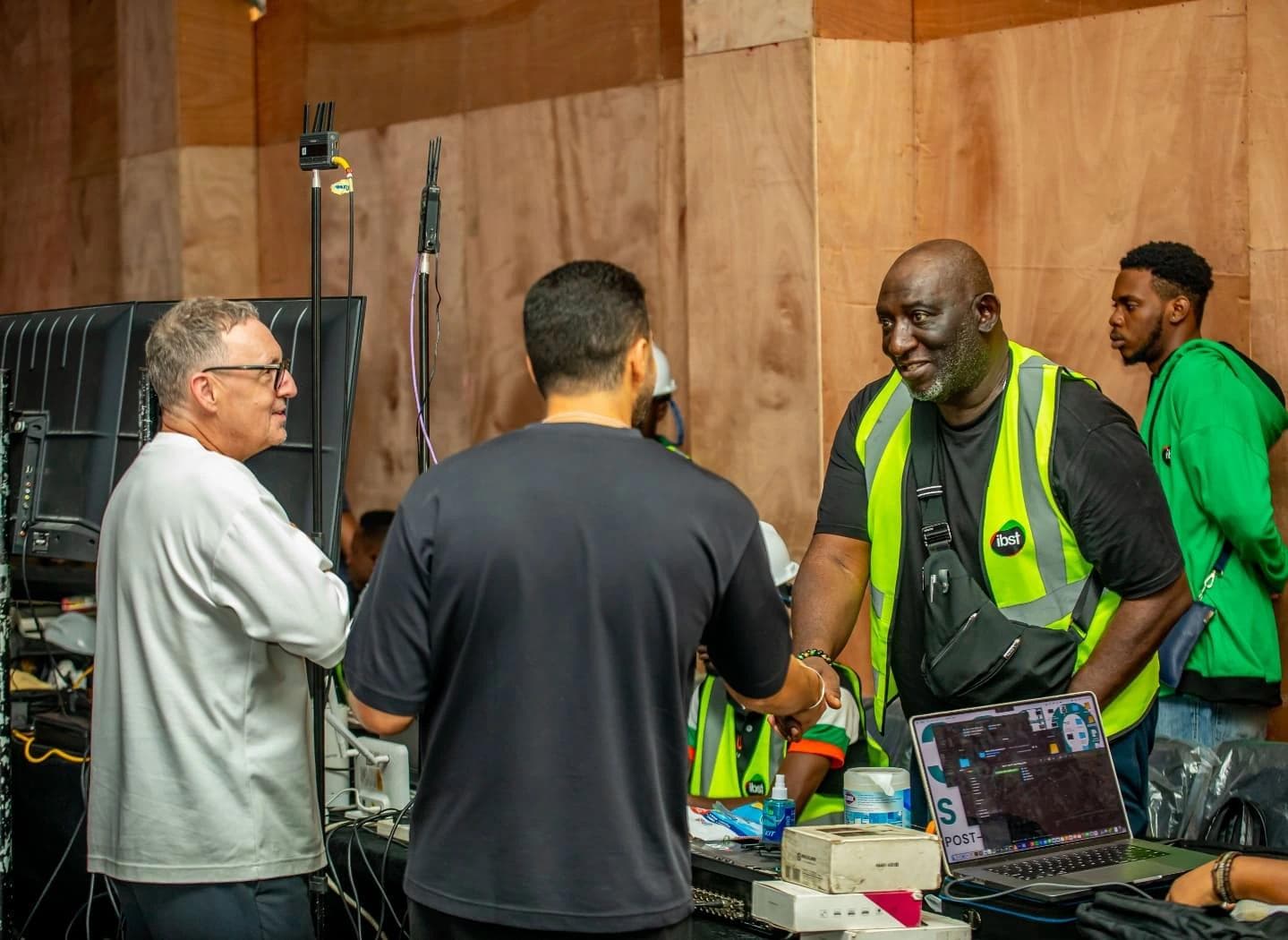
For many years, I managed a television production company, IBST Limited, which at the time was an equal shareholder in a company called Storm Vision Limited. During its years of operation, Storm Vision was responsible for producing several leading international television formats. Even then, IBST served as the facilities company that provided the technical and operational support that made those productions possible.
Storm Vision also developed a number of original Nigerian television formats, including 100% Naija, Nigeria: History Chronicles—a television series focused on Nigerian history—and All That Glitters, a popular TV soap opera, among others.
I have chosen to share this background not to revisit the past, but to educate and inform Nigerian media practitioners about the costly pitfalls that can arise from short‑sighted business decisions—especially when legal protections are ignored.
The Wake‑Up Call That Changed Everything
What happened recently became a personal call to action. After many years in the industry, a conversation with my lawyer brought home a painful truth: through negligence, lack of foresight, and financial pressure, I had unknowingly sold away my intellectual property rights for next to nothing—with no one else to blame but myself.
The realization was humbling. It reminded me of how our forefathers traded away valuable resources for short‑term gain, only to see others build lasting empires from what was lost. That sense of regret and self‑reflection is what prompted this piece.
How Ownership of “100% Naija” Was Lost
When my partner and I eventually went our separate ways in the Storm Vision partnership, several tangible intellectual assets had been created within that company—assets that could not belong exclusively to either party. 100% Naija was one of them, or so I believed.
Later, when Channel O decided to commission 100% Naija through my former partner’s new company—one that carried the “Storm” name but had no legal connection to the original Storm Vision—I objected. I wrote to Channel O, asserting that 100% Naija was Storm Vision property and could not be commissioned without the consent of its rightful owners.
Ironically, that protest led me to uncover the real problem.
The Contract I Signed—and Didn’t Truly Understand
As my lawyer bluntly explained: Nigerian producers often spend so much time chasing commissions and sponsors that when an opportunity finally comes, they rush to sign contracts without fully understanding the legal implications.
He was right.
As Executive Producer of Doctor’s Quarters, an M‑Net production, and as a partner in the company that created 100% Naija, I had personally signed a contract that assigned full ownership of the format—including the title, concept, storyline, costumes, set design, makeup, and every conceivable creative element—to M‑Net.
That contract gave M‑Net the unrestricted right to commission the show to anyone else, indefinitely, with no obligation to pay fees for repeat productions.
In effect, although we created the format, M‑Net owned it completely.
I was devastated. Here I was, a respected television producer, realizing I had signed away the very creation I nurtured—simply because I failed to protect it legally.
The Real Failure: Confusing Production With Ownership
To be clear, M‑Net did nothing wrong. No one forced me to sign that contract. The fault was entirely mine.
As a producer, I failed in one of my most critical responsibilities: protecting the tangible and intangible assets of intellectual creation—assets that could have generated long‑term value for their creators.
I failed to:
- Separate production services from format ownership
- Negotiate intellectual property rights independently
- Fully understand the long‑term consequences of the contract I signed
Critical Lessons for Nigerian Producers
I share this experience so others do not repeat my mistakes. If you are a Nigerian producer working with international broadcasters or license holders, take these lessons seriously:
1. Read Every Production Contract Thoroughly
International broadcasters have decades of experience and know exactly where contractual loopholes exist. Never assume goodwill will protect you.
2. Always Consult a Copyright Lawyer
Have a qualified copyright or entertainment lawyer review every agreement. Ask them to explain the implications clearly and walk you through possible future scenarios.
3. Separate Intellectual Property From Production
Never allow production services and ownership rights to be bundled together. These must be negotiated independently and explicitly.
4. Protect Your Future Rights
What you create today could become a global success tomorrow. Ask yourself: What happens if I’ve already sold away the rights for a fraction of its true value?
A Final Reflection for Nigeria’s Creative Industry
I often wonder what rights Nigerian producers and writers—past and present—still hold in works they created under similar agreements. Were better deals negotiated, or was it simply a case of “these are the terms—sign or walk away”?
We may never know.
But if you ever find yourself in a similar situation, I hope this experience helps you pause, ask the right questions, and protect your work. Creative freedom means nothing without ownership. You can only be exploited once—if you learn from it.
Slavery was abolished long ago. Today, it is the responsibility of every producer to defend their intellectual property, value their creativity, and refuse to give away what took years to build.